HBM049: Sam's Japan Tapes

Sam Parker in Japan.

Sam Parker in Japan.

Sam's Japan Tapes
Here Be Monsters Podcast
 

When Sam Parker went to Japan to celebrate his mother's 60th birthday, he brought along a handheld audio recorder.  For the next few weeks, he recorded every sound that he could find, attempting to capture as many audio snapshots of Japan as possible. 

Sam doesn't really take pictures.  Without his glasses he's legally blind twice over.  So, to remember and share his trip, he created five beautiful audio postcards.

On this episode, Sam Parker and Jeff Emtman discuss the merits of deep listening and whether it's possible for a sound to be truly ugly.   Sam also shares three of his audio postcards. 

You can download all of Sam's postcards at observance.bandcamp.com (also embedded below).

Sam and Jeff met in college while working at KUGS-fm, a student operated station in Bellingham, Washington.  Sam taught Jeff how to listen closely.  

Music: Sam and Jeff made all the music on this episode using a guitar and a synthesizer, respectively.


 

Photos Courtesy David Parker and Juliana de Groot.

This episode contains postcards 1, 3, and 2 (in that order).  Here are Sam's liner notes:

Postcard 1 (begins 08:30)

My dad being a smart-ass on top of Mount Omuro, Izu Peninsula.

Old-school drone at the Meiji Shrine gift shop.

Crowds at the Osaka aquarium

Samurai re-enactment at Himeji Castle.

A private onsen in the town of Ito.

Mystery music coming from out of the woods at Yoyogi Park + my mom explaining directions for purifying yourself pre-shrine.

Birdsong from Miyajima, one of the most serene places I have ever been to.  You should go.

Postcard 3 (begins 11:40)

A television playing an old Donald Duck cartoon in Shimokitazawa.

Lunch-time rush hour at Shibuya station - each beep is a person going through the gate.

A bucolic little tune being piped through speakers in a light-post.

The performance artist Morimura Yasumasa re-enacting the final words of author Yukio Mishima.

Windchimes at Daisho-in temple, which was maybe the most beautiful place I’ve ever been to in my life, no hyperbole. 

Postcard 2 (begins 15:00)

An ATM transaction in Harajuku

Music in the lobby of a hostel in Miyajima

The best laugh I heard all trip, Narita airport.

An anti-militarization/nuclear warfare protest in Osaka. The current Prime Minister (Shinzo Abe) is a hawk and has authorized an expansion of US military bases in Okinawa.

While in Miyajima, I walked by a building and someone had left a portable CD player with a speaker on a staircase. It was playing this song on repeat. This was pretty typical of Miyajima. There are also some wind chimes playing very low in certain places. Maybe you can hear them?


 

HBM048: Barrie's Mental Tempest

Temptation of Christ, By Dutch-French painter Ary Scheffer, 1854. 

Temptation of Christ, By Dutch-French painter Ary Scheffer, 1854. 

Barrie's Mental Tempest
Here Be Monsters Podcast
 

Barrie Wylie has heard voices for as long as he can remember. Growing up on a small island in Scotland, the voices in his head were like secret best friends that he could play with. When he left school to become a fisherman at 15, his voices told him he was a disciple of Jesus.  He believed he could control the weather and prevent harm befalling his boat and his crew.

As Barrie got older, his voices intensified. They became more aggressive, telling him to harm himself and others.

He learned to cope by silencing the voices with alcohol and other drugs.  He wound up in police custody more than once. 

When a family friend died under mysterious circumstances, Barrie was arrested and falsely suspected of murder.  While in custody, he told his doctor about his voices.   An autopsy later revealed that the friend died of natural causes. 

But Barrie spent the next seven years in and out of psychiatric hospitals, all while heavily medicated for paranoid schizophrenia. The voices don't leave him, no matter how much medication he took. They only got worse, until Barrie believed he heard the devil himself inside his brain. 

He tried to kill himself at least twice.  [Please note: this episode contains two descriptions of attempted suicide.] 

It was a social worker from the hospital who first suggested the Hearing Voices Network to Barrie.  HVN takes an unorthodox approach.  They say that hearing voices in and of itself should not yield a diagnosis.  They encourage people to talk to the their voices, treat their voices as if they're real people.  This approach is not universally accepted.

But Barrie said that talking to his voices actively gave him agency he never had before.  He stopped trying to rid himself of his voices and instead learned how to have healthy relationships with them.  He stopped trying to hurt himself.  He stopped believing that his voices could control him. 

He joined Facebook support groups that advocated the Hearing Voices appoach.  And that's where he fell in love with Rachel.  She also heard voices.   Barrie and Rachel are now married and have a young child together.   He says he couldn't be happier. 

Barrie runs a website documenting his story and helping others through theirs. 

This episode was produced by Luke Eldridge.  Luke is an independent producer living in the UK.  The episode was edited by Bethany Denton, with help from Jeff Emtman, and Nick White. 

Music: SerocellFlowersThe Black Spot

We recently released another (very different) story about mental illness and delusions of Jesus.  It's HBM039: A Goddamn Missionary, in which a man with Bi-polar Disorder learns to control his manic episodes through medication and altruism. 


Barrie and Rachel's wedding.

HBM047: Peacocks Without Tails

Jeff Emtman’s bald head generated by some questionable artificial intelligence.

Jeff Emtman’s bald head generated by some questionable artificial intelligence.

Peacocks without Tails
Here Be Monsters Podcast
 

When Hippocrates noticed that the hair on the top of his head was falling out, he fought it by applying various ointments of opium to his scalp.  But none of them worked.  So he called it a disease and named it "Alopecia" (translated to "disease of the fox") after the mangy, hairless foxes that wandered Greece in those days.  His friends called it something different though, they called it a "Hippocratic Wreath." He also tried sheep urine.  That didn't work either. 

Content Note: Language.

Like Hippocrates, HBM Host Jeff Emtman is concerned about his hair loss.  And unlike Hippocrates, Jeff is staying away from opium and sheep genitals.   However, he wants to know if there's a relationship between baldness and vanity, so he found three bald (and bald-ish) people asked them to share stories of their hair and how they lost it, how they fought it, how they dealt with it, along with their wishes and regrets.  

Jeff Emtman interviewed: 
- Brian Emtman (Jeff's brother), who lost his hair at 20
- Eric Nucci, who has genetically thin hair
- Carrie McCarty, who has trichotillomania, a hair plucking psychiatric disorder

If you're a die-hard Here Be Monsters fan, you'll recognize Carrie's voice from a short radio piece called Psychic Blob, wherein Carrie extracts a benign tumor from Jeff's arm in her backyard.  

Track image for this episode comes from an app called Make Me Bald (free, Android only). 

Music: Monster Rally, Lucky Dragons, The Black Spot, Flowers, Serocell


Brian Emtman Hiking in the Cascade Mountains of Washington State.

Eric Nucci in 7th grade

Carrie McCarty composited on to the body of an antelope (per her request)

HBM046: Crooked Skirts

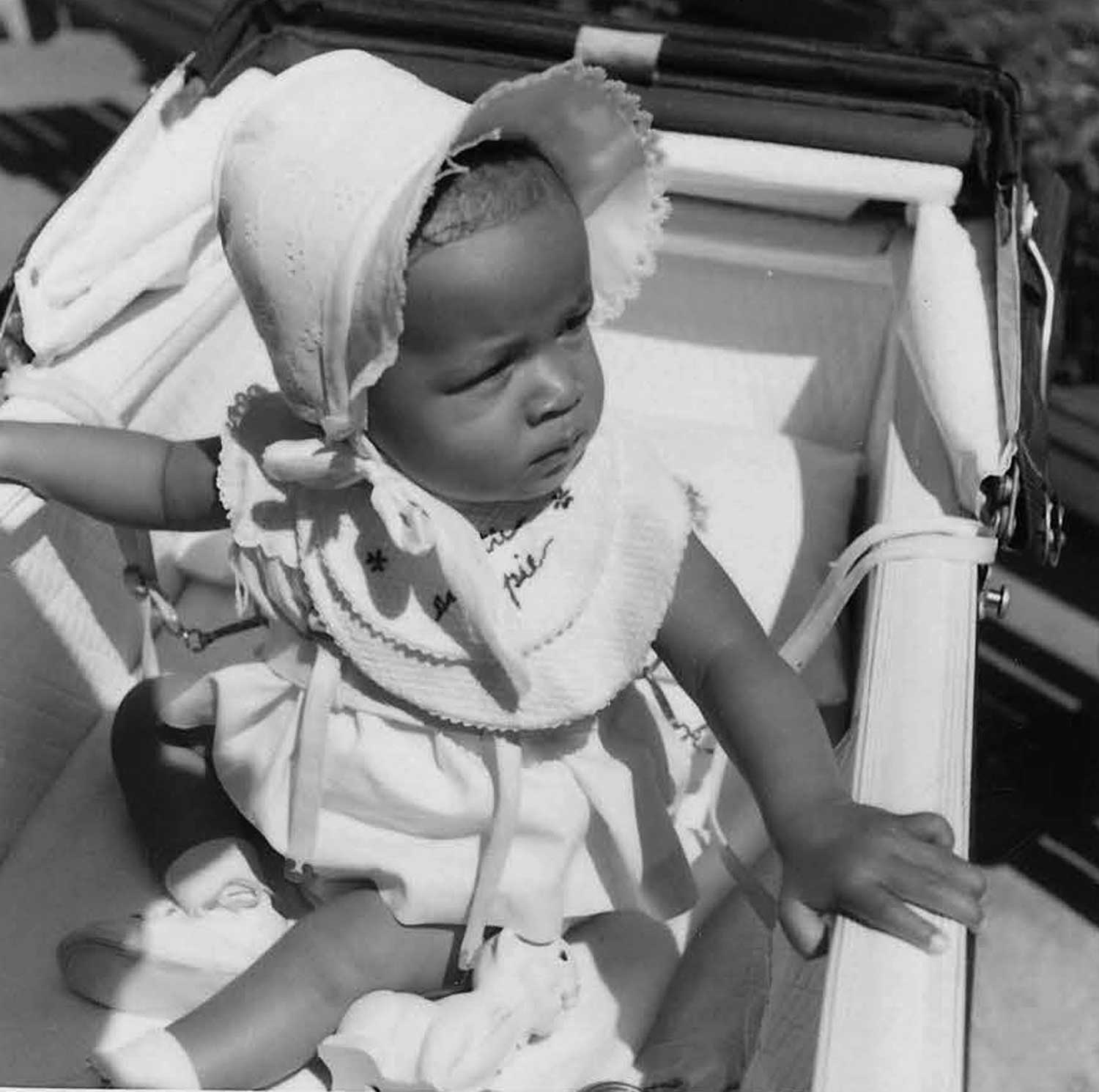
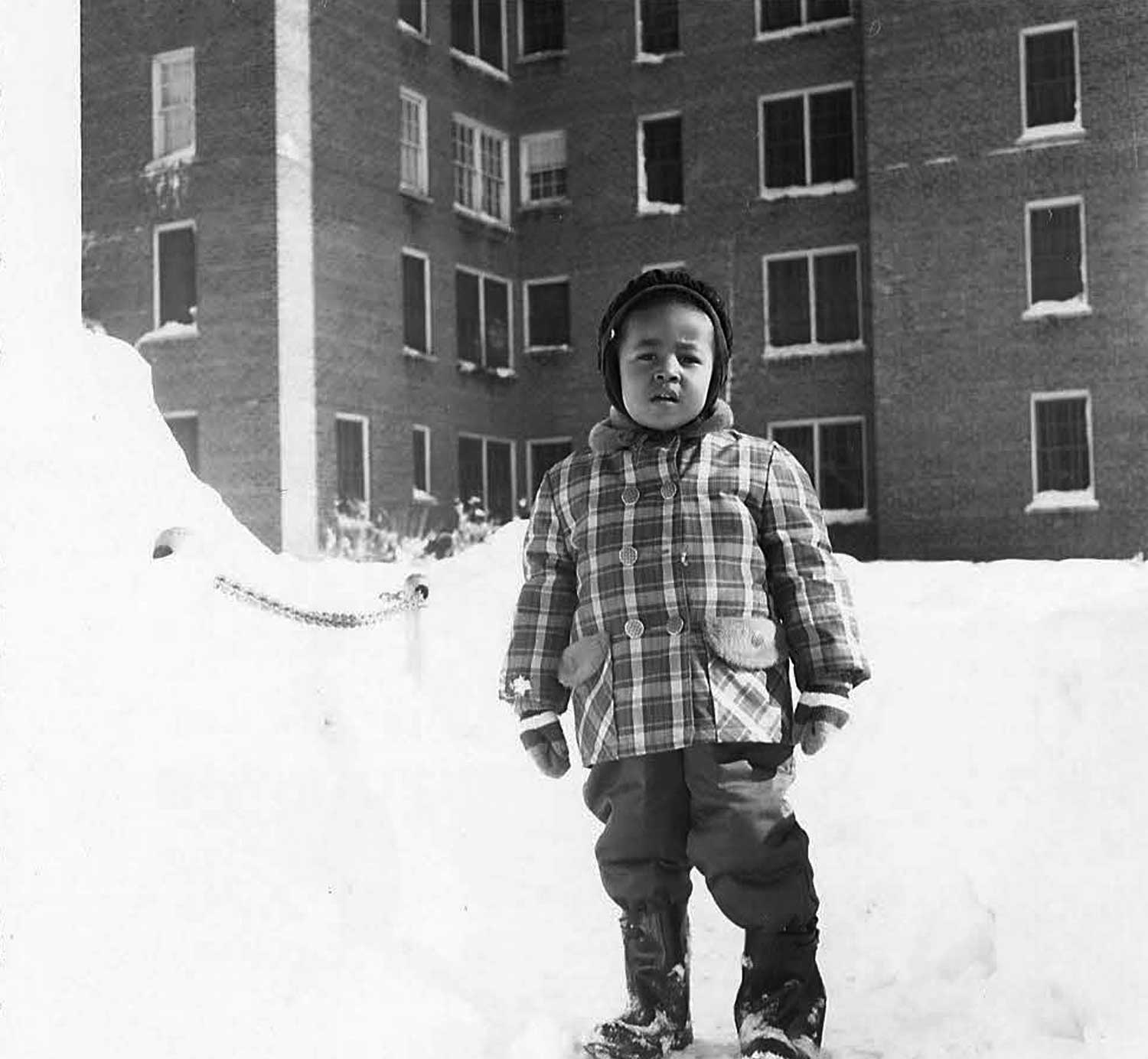
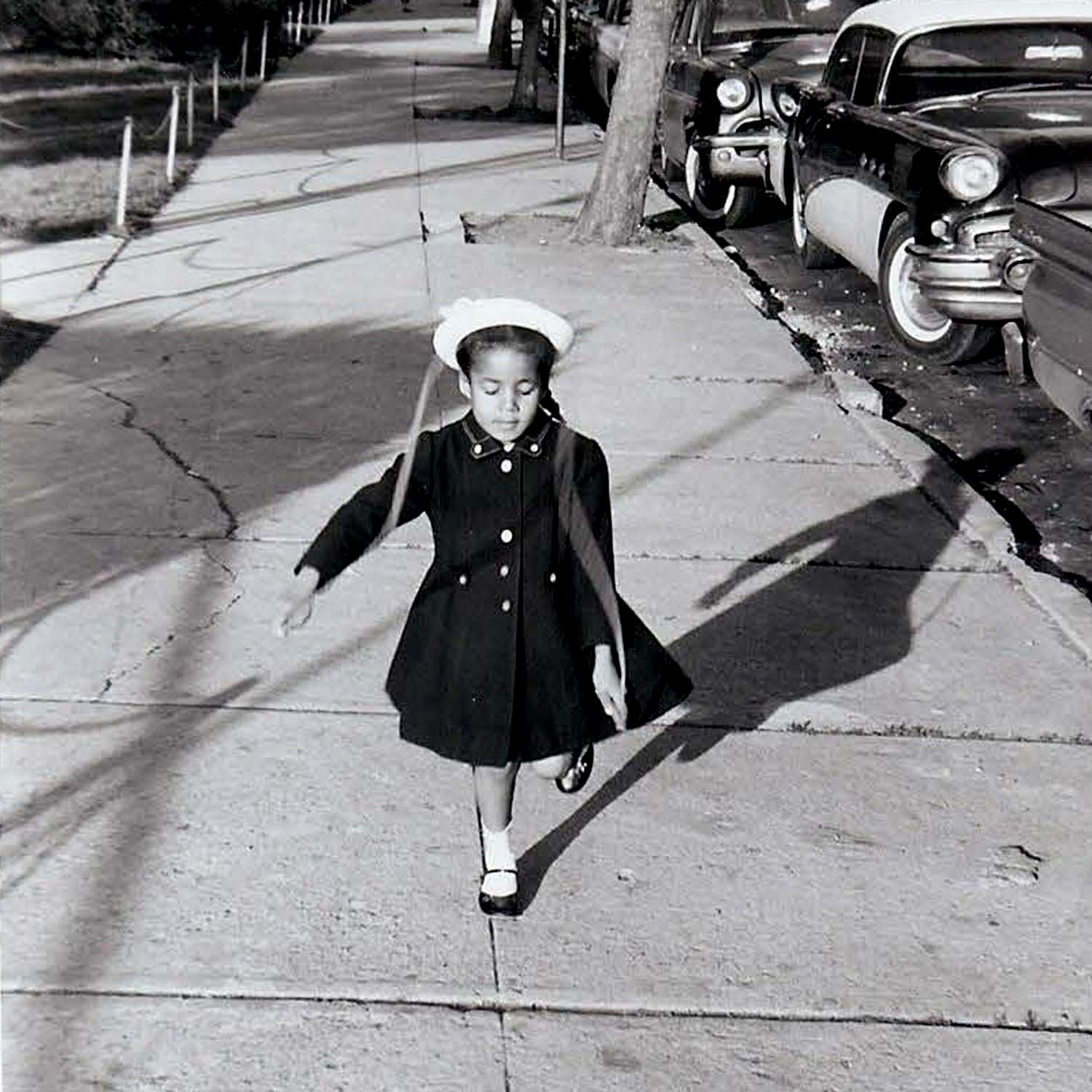
Photo of Karen Smith as a child.

Photo of Karen Smith as a child.

Crooked Skirts
Here Be Monsters Podcast
 

Growing up in Queens, NY, Karen Smith had no reason to suspect anything was wrong with her. Even when it hurt to sit for too long, or when her clothes didn't fit right, everything seemed fine. That's because Karen's mother did everything she could to hide the fact that Karen had Spina Bifida.  The condition gave Karen severe scoliosis, a curve in her spine that made walking painful and made her skirts hang crooked.  Her mother removed any full-length mirrors from the house in attempts to keep Karen from becoming self-conscious. But as she grew older, her scoliosis became more severe.  And by the time she was in fifth grade, Karen had to be hospitalized in a children's ward, in and out of a corrective halo.  This was just the beginning of three long years of treatment.

Bedridden and limited in her mobility by body casts and back braces, Karen judged the passing of time by the sounds around her as her vision progressively worsened. She found solace in her AM radio, pulling in stations in from far away in the middle of the night.  She heard sounds of the courtyard below, filtering up through an open window.  She wondered if the other kids would be too old to play with her by the time she's healthy enough to join them. 


Music: Garrett Tiedemann of American Residue Records

This story was produced and scored by Garrett Tiedemann, creator of The White Whale podcast.  Garrett also works for Sister Story, a series that shares the daily lives of Catholic nuns.   Bethany Denton and Jeff Emtman edited this piece. Nick White is our editor at KCRW.

We're just shy of 400 ratings on iTunes, please write a review!


HBM045: Deep Stealth Mode (How To Be A Girl)

Deep Stealth Mode (How To Be A Girl)
Here Be Monsters Podcast
 

Marlo Mack gave birth to a son.  At least, she thought she did.  As a toddler, her son crawled towards dresses, wanted to be a princess, asked to grow long blonde hair.  And at age 3, Marlo's son requested to return to her tummy so he could come back out as a baby girl.  Marlo thought it was a phase--it wasn't.  So she started learning how to raise a very young transgender daughter.  She started keeping audio diaries. 

In this episode, Marlo sends her child to a new summer camp, and struggles with giving her autonomy in revealing her gender identity to other children. 

Marlo faces questions daily about how to best raise her daughter.  How can she stimulate her child while protecting her in a world often unkind to transfolk?  She tells her daughter that there are some people who are like Darth Vader, just too sad to be kind anymore. 

Marlo Mack and her daughter produce a podcast about their life together called How to Be a Girl.  Marlo generously gave us access to her raw recordings for use on this episode.  How to Be a Girl is part of The Heard, a new podcast network.  Marlo also writes a blog called Gender Mom

Marlo Mack is a pseudonym.  She will keep their true identities secret until her child is old enough to understand the risks of revealing her identity.  These risks are real.  2015 has been an especially bad year for trans folk;  2015 has already seen the murders of at least 15 American trans women.  Marlo and her daughter exist in what they call "deep stealth mode." 

So, when do you tell people that you're a girl with a penis? When is it safer to hide?

This episode was produced by Marlo Mack.  Jeff Emtman edited it with help from Bethany Denton and Nick White. 

Music:  The Black Spot 

Resources for trans children and their parents: 
Trans Youth Family Allies   - for families of trans youth
The Trevor Project - specifically crisis and suicide prevention
YouthResource - specifically for trans/lgbt youth
Human Rights Campaign - list of resources for trans youth


Video by Marlo Mack.

Marlo's daughter meets advocate and actress Laverne Cox.

HBM044: Distant Warfare

Distant Warfare
Here Be Monsters Podcast
 

Bridget Burnquist was backpacking around Southeast Asia. After weeks of drinking cheap liquor on beautiful beaches, she was beginning to feel as though her experiences were merely superficial. She heard rumors that the nearby country of Myanmar (formerly Burma) was home to beautiful mountain villages that have hardly changed for centuries, accessible only by hiking for days in the Burmese jungles. So she headed west into Myanmar, despite (or perhaps, because of) warnings from the U.S. State Department that essentially said, “If you get into trouble, you're on your own. Travel at your own risk.”

It was spring of 2014, just a few short years after Myanmar had emerged from decades of isolation imposed by its shuttered military rulers. Hundreds of unique ethnic groups within the borders of Myanmar have since been fighting for political representation. Unbeknownst to Bridget, a civil war still waged within its borders.

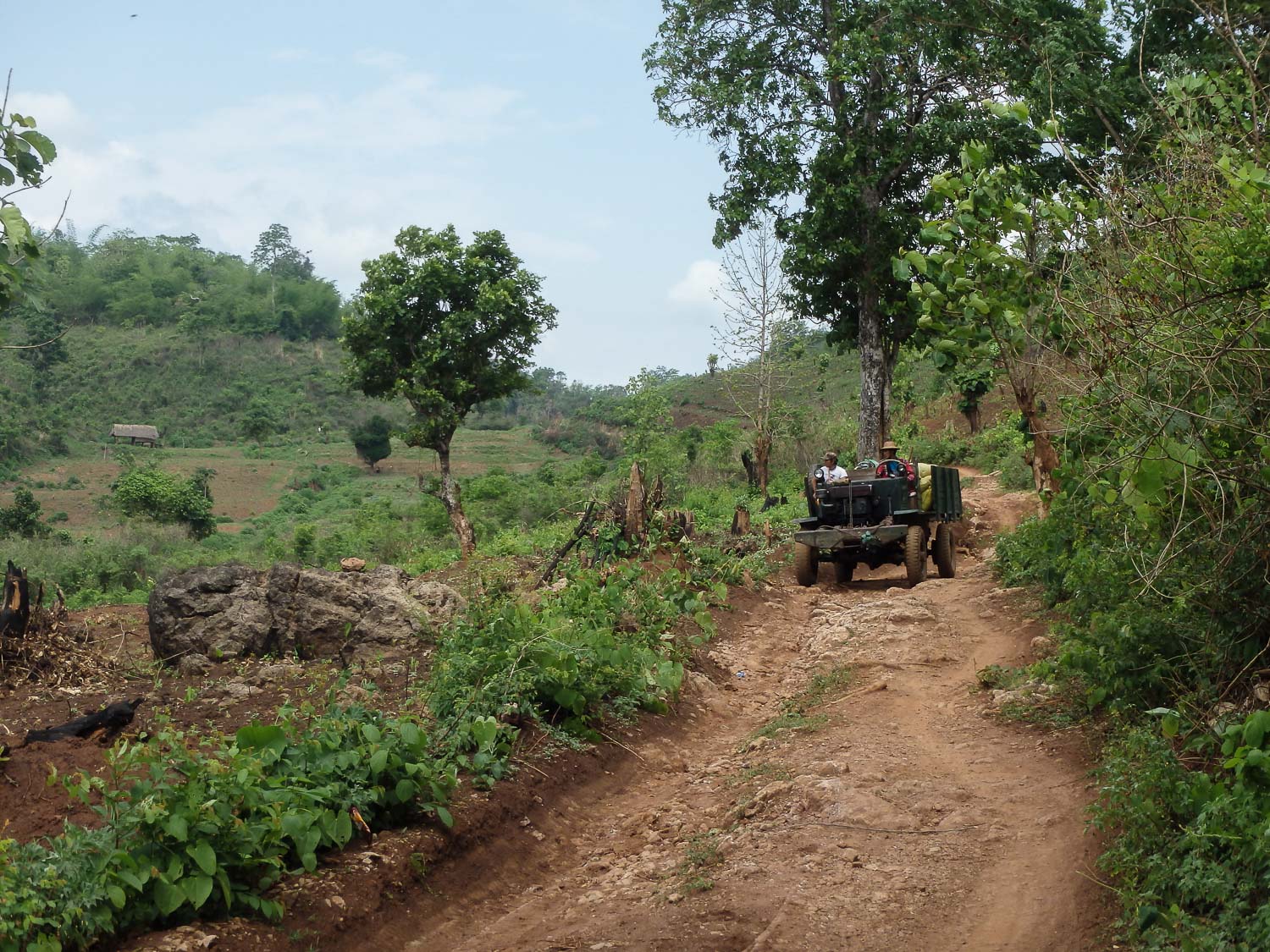
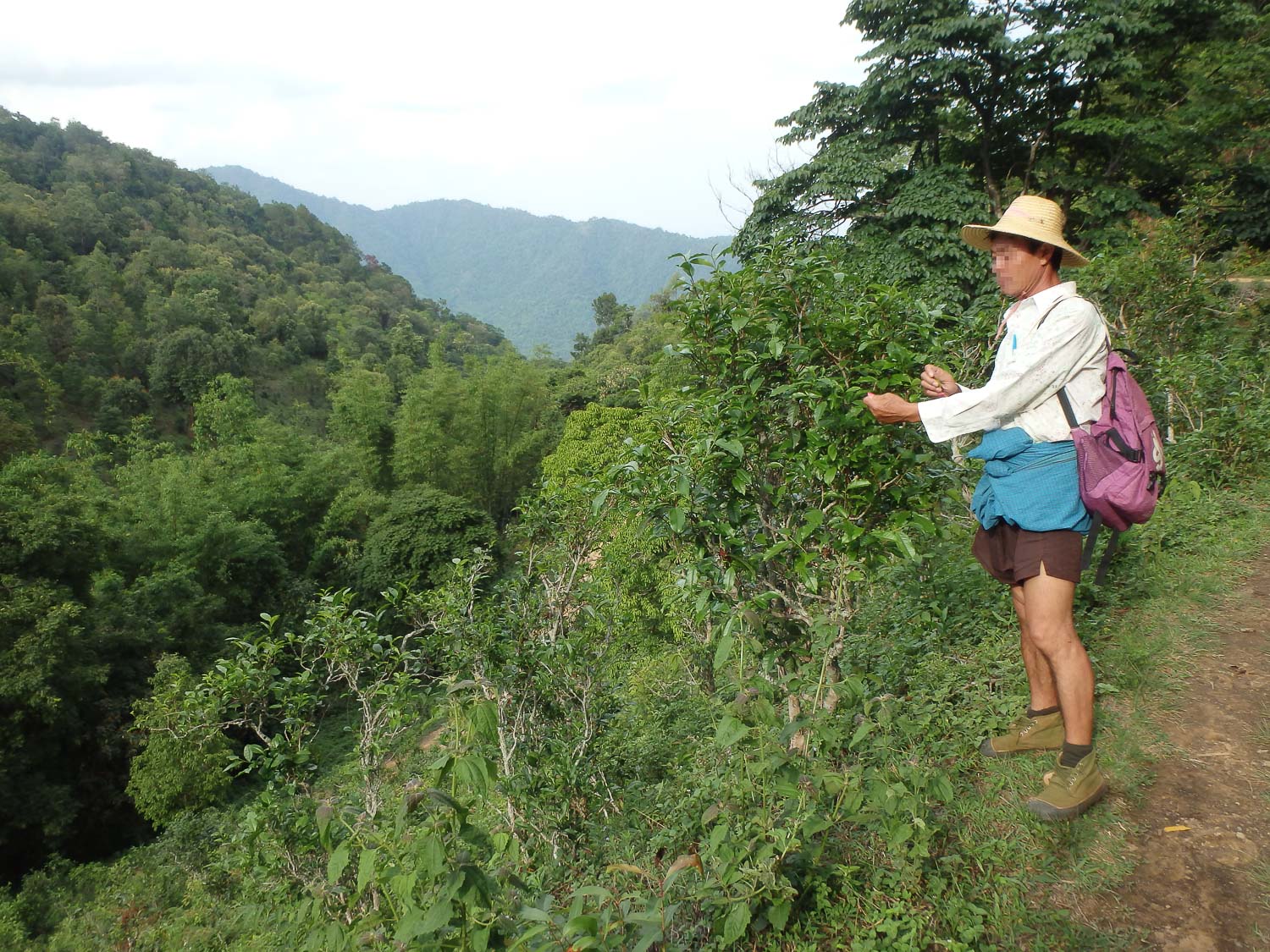
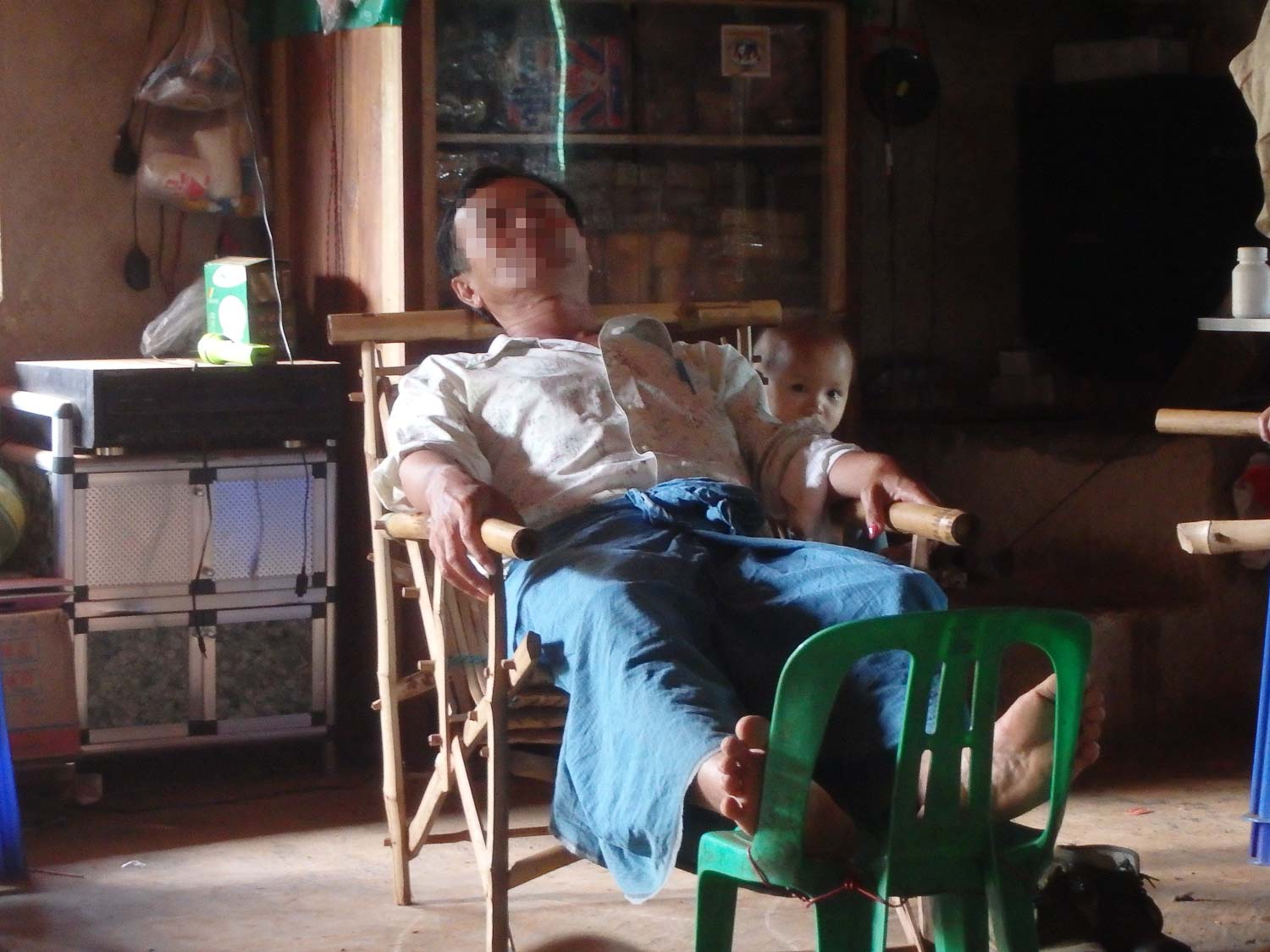
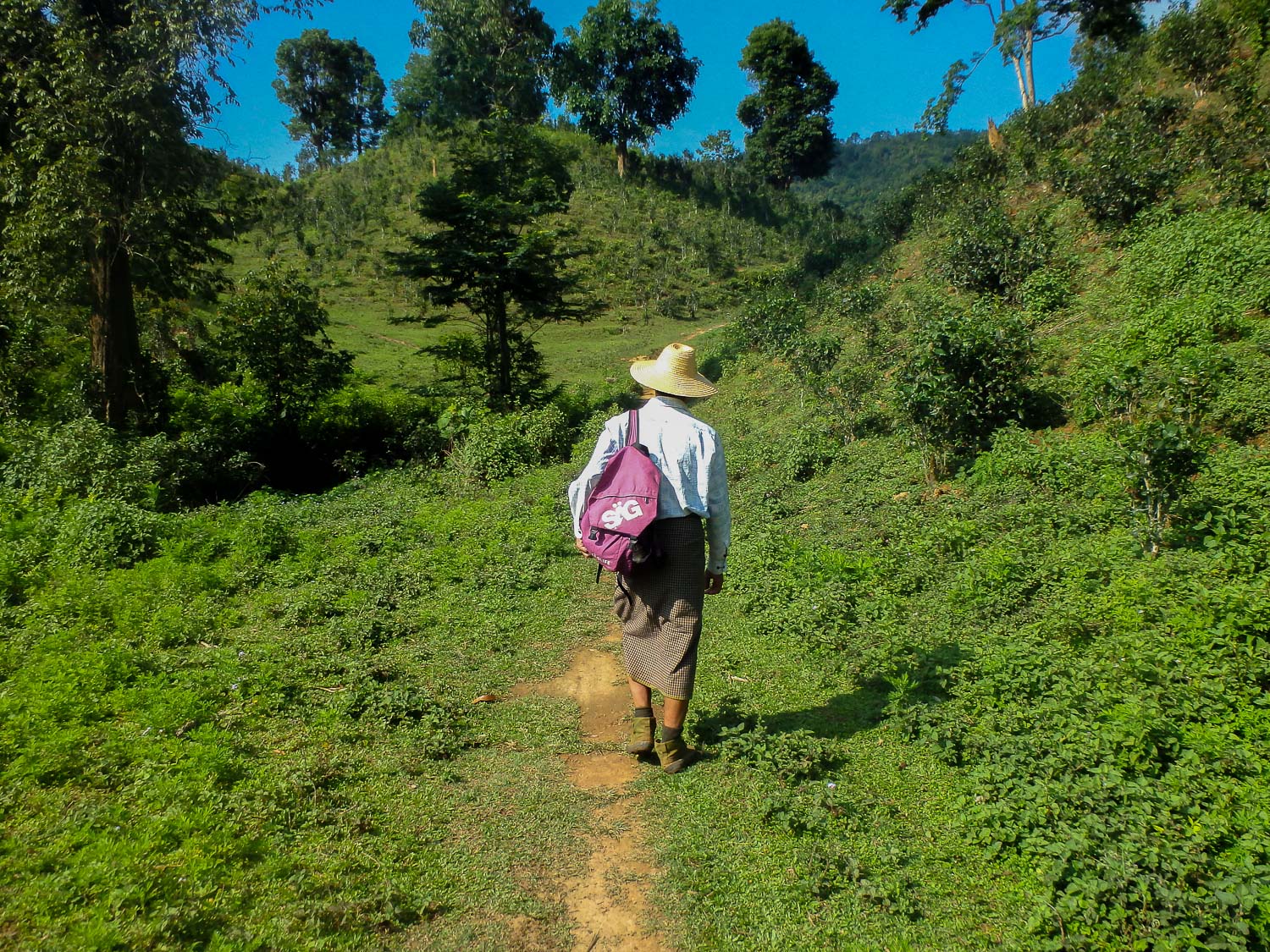
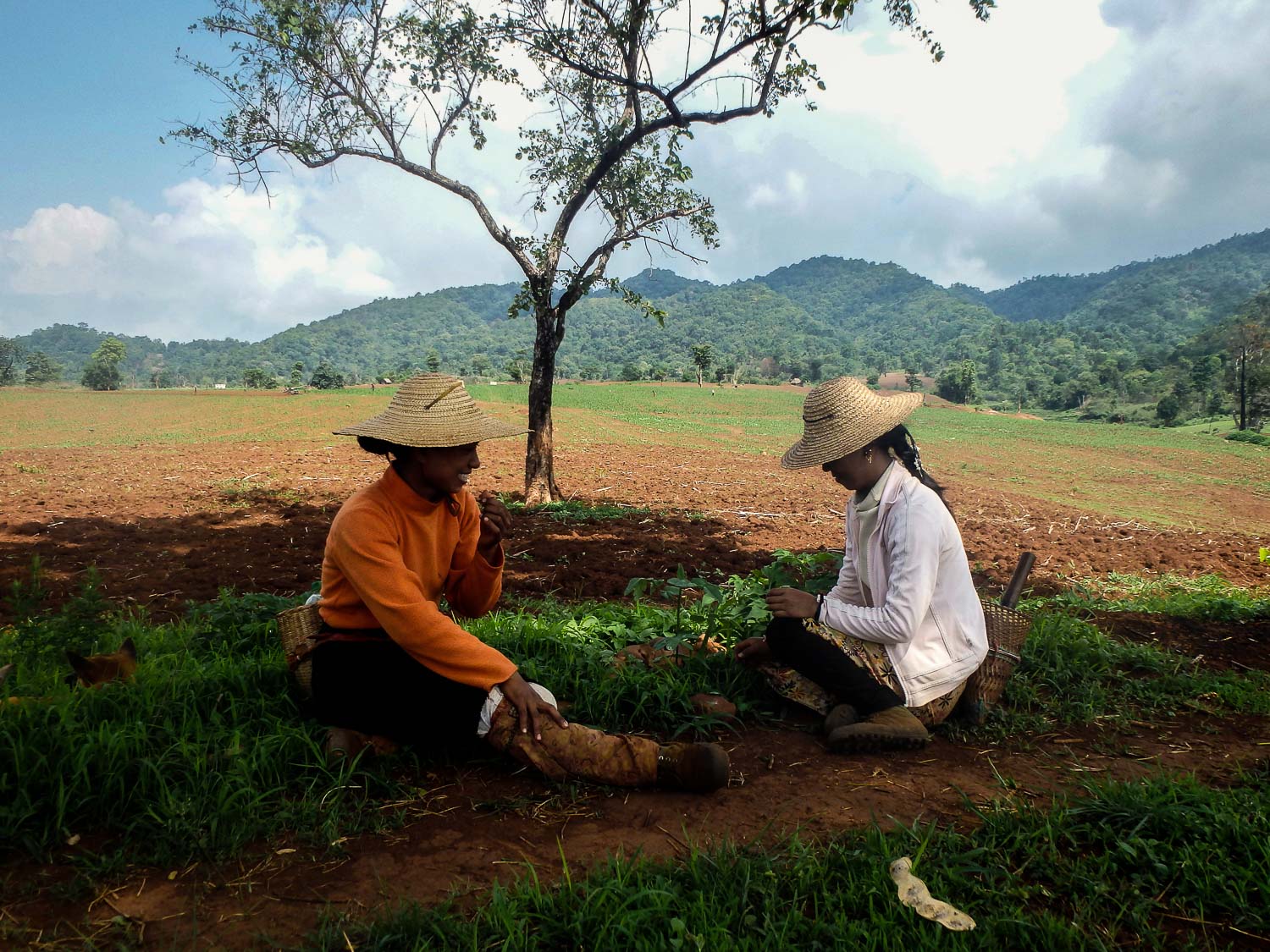
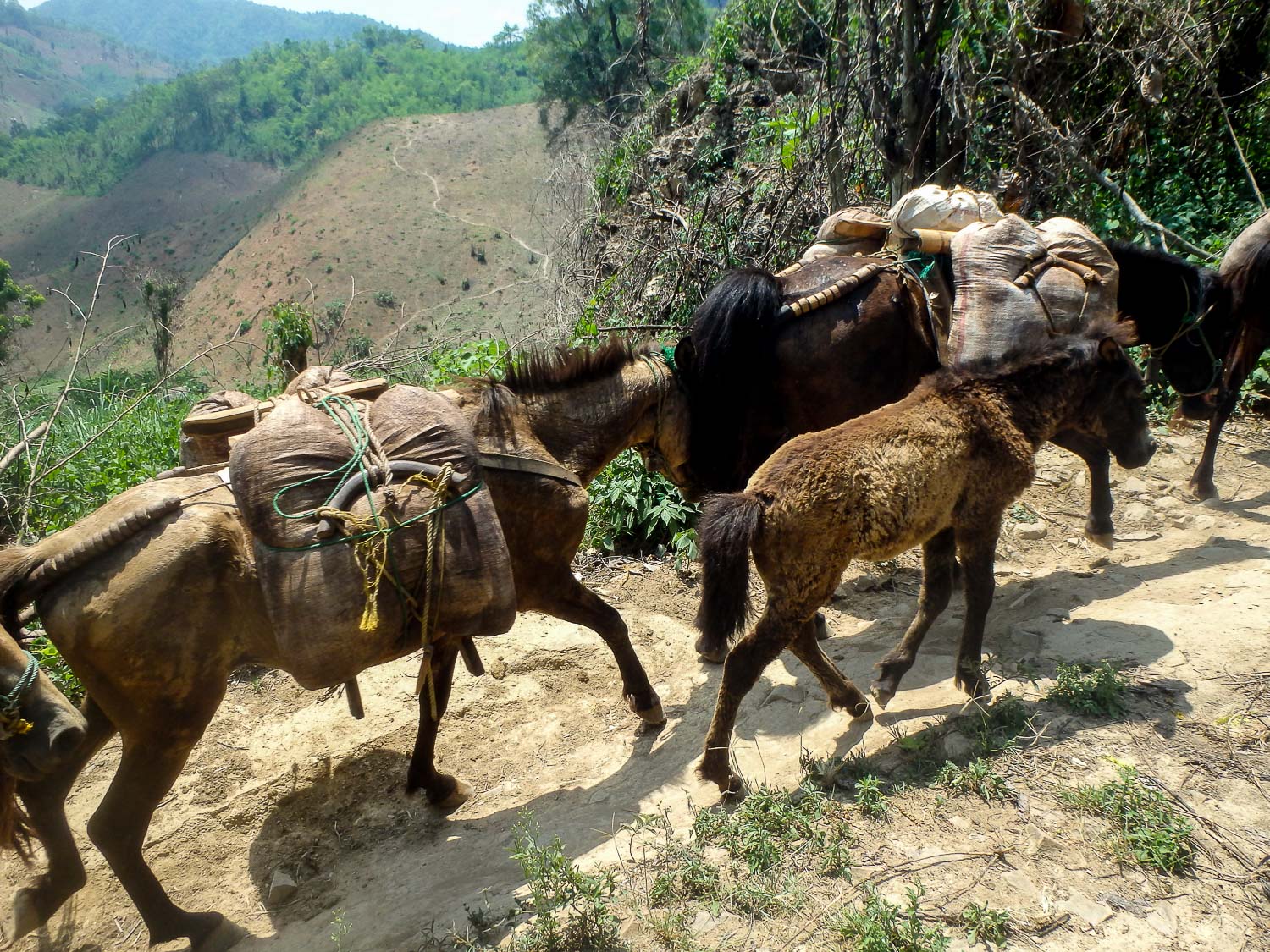
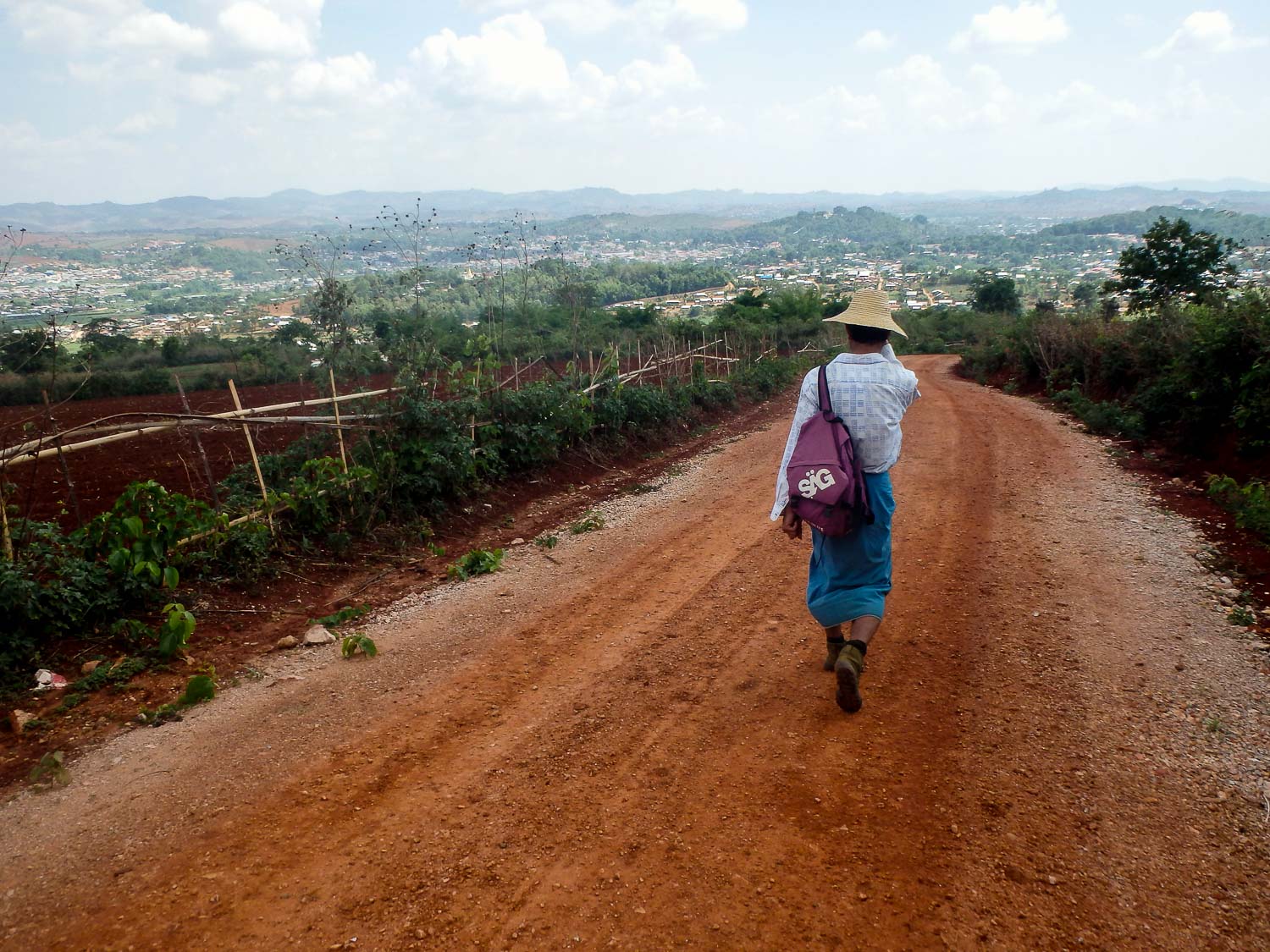
Bridget soon arrived in the Shan State.  This region of Myanmar is home to mountainous terrain and diverse ethnic communities, accessible only by foot. She joined up with a local guide and a fellow Western traveler.  The three decide to backpack through the Palaung tea country and up into the higher, wilder areas of Myanmar.  One night in the mountains, Bridget and her travel companions had an unexpected encounter with Palaung rebel soldiers that left her questioning her perception of violence and proximity.

Since Myanmar gained independence in 1948, an estimated 130,000 civilians and soldiers have been killed in civil conflict; over 700 people have been killed this year. Recent peace talks between the Burmese government and rebel groups ended in a stalemate in August 2015. An election is slated for November 2015. 

 
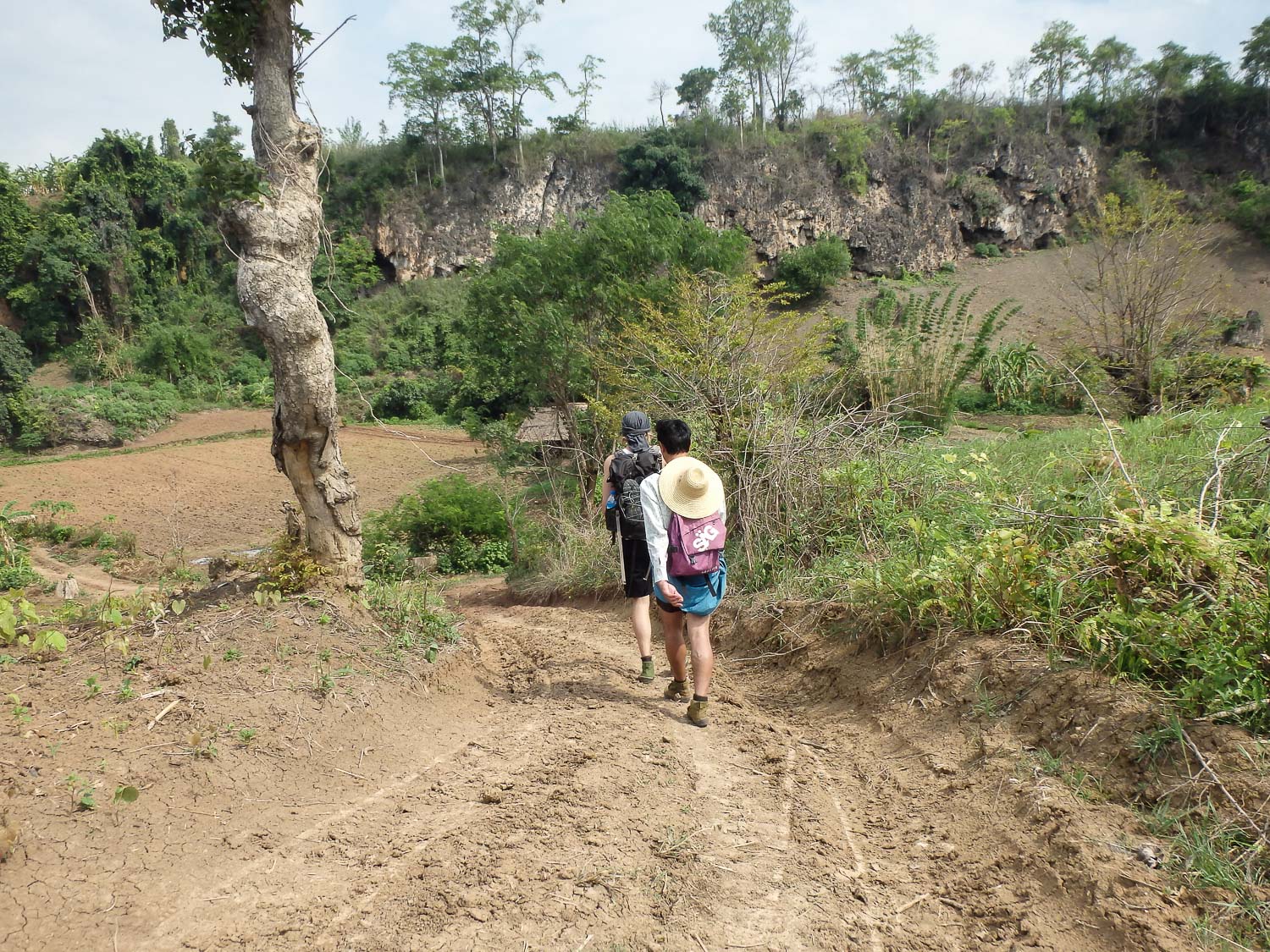
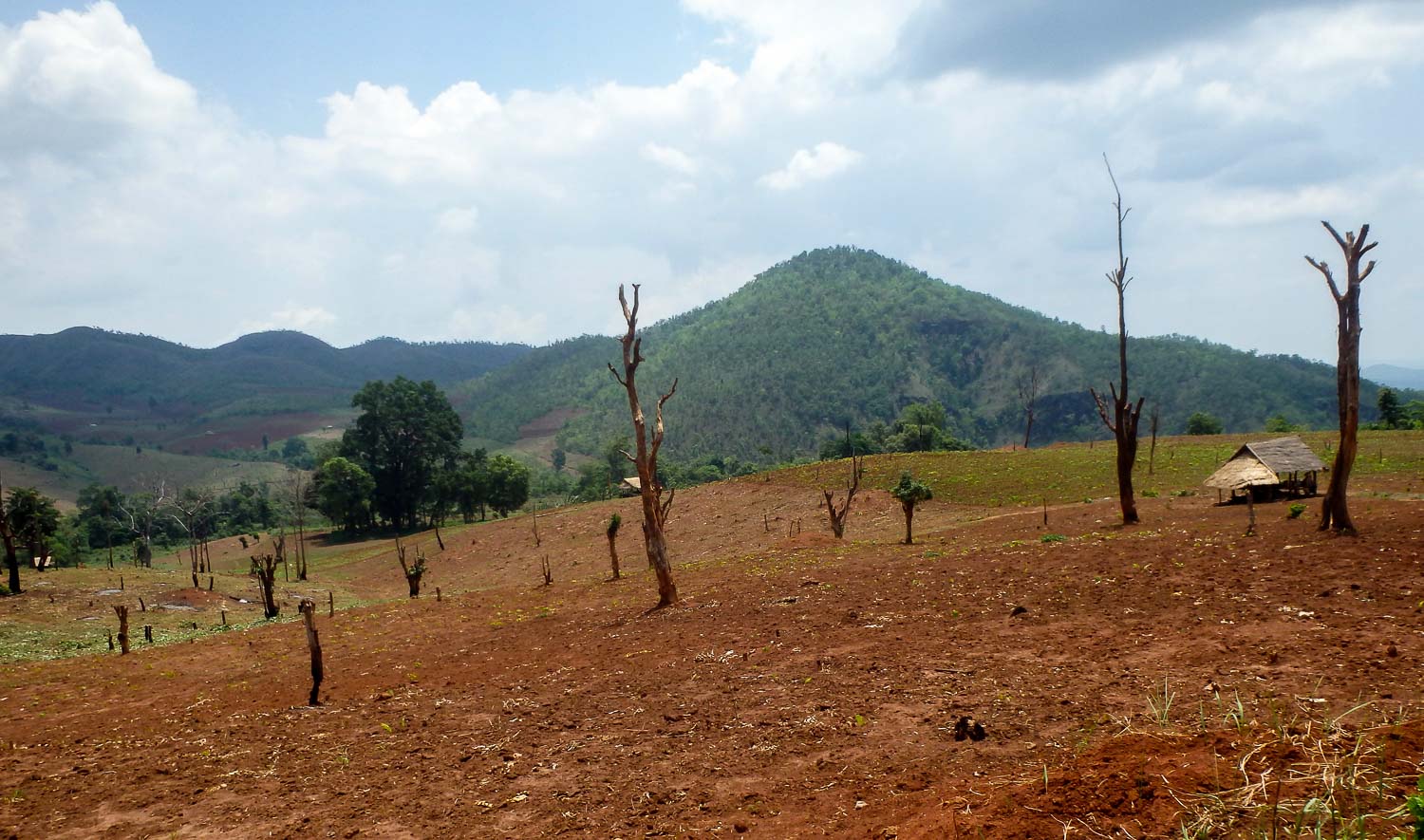
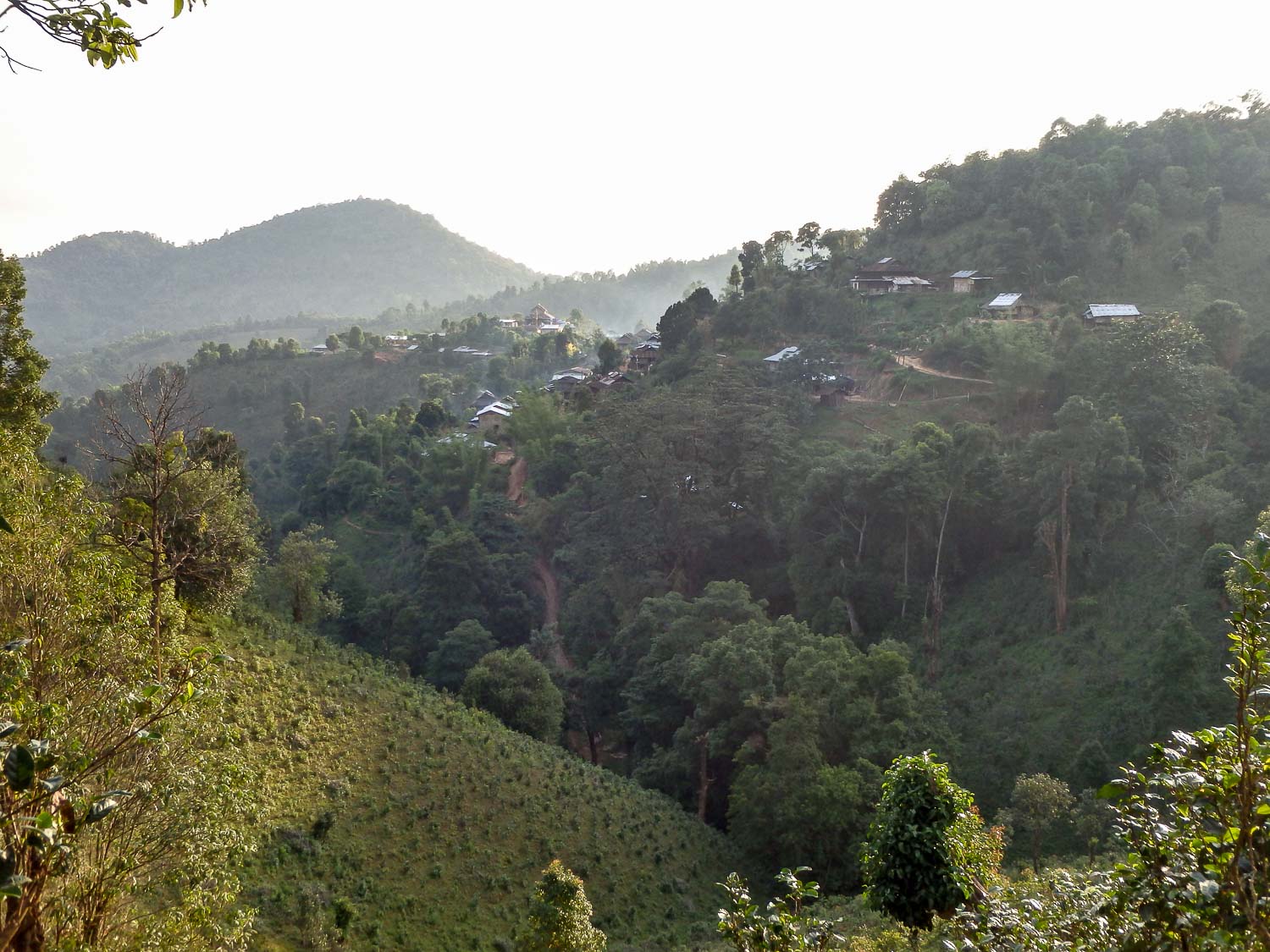
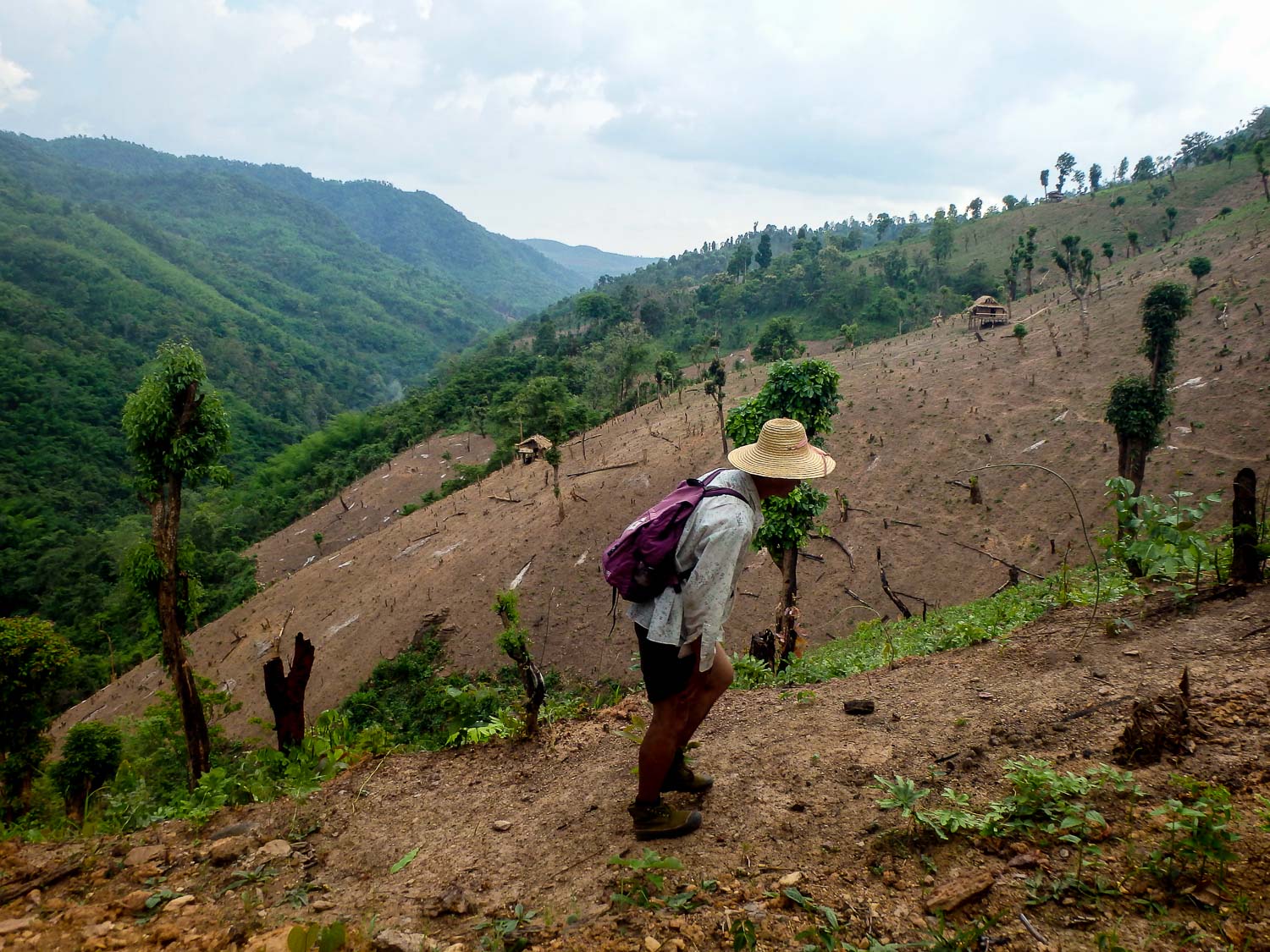
Valley where William heard RPGs

Valley where William heard RPGs


Aung San Suu Kyi, a Burmese advocate for democracy, is attempting to run for president against militant incumbent Thein Sein. Her candidacy has recently been disqualified by lawmakers, but Aung San Suu Kyi continues to advocate for constitutional change to allow her presidential campaign.

Bridget Burnquist produced this episode with editing help from Jeff Emtman and Bethany Denton. Our editor at KCRW is Nick White.

Music:  The Black SpotSerocell, Nym, Lucky Dragons